Embroidery for hospitality brands, demystified
Stitch density, thread weight, placement logic, and why your logo file matters more than you think. Plus the three mistakes we see most often on first-time embroidery orders.
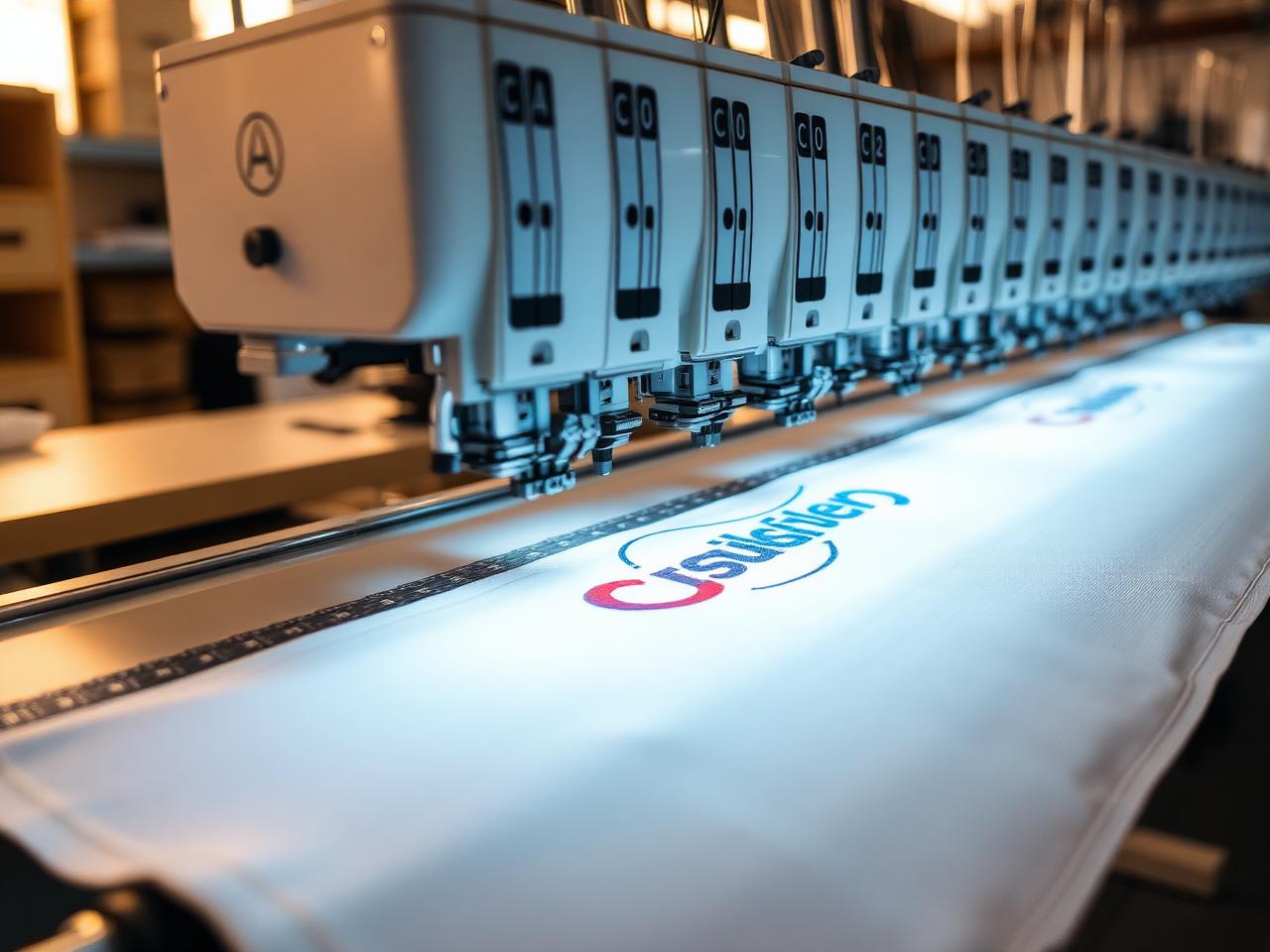
Custom embroidery is the highest-impact, lowest-cost branding upgrade most hospitality operators can make. It's also the one most commonly executed badly, because the vendor handing you the embroidery is usually a sales intermediary, not the person operating the machine.
We bring all our embroidery in-house at our six-head Tajima TMEZ. Here's what we've learned in three years of running it for hospitality clients.
Vector files matter more than anyone tells you
Every embroidery design starts with a digitizing step — a piece of software converts your logo into stitch paths, thread color sequences, and stitch densities. The quality of that digitize is entirely dependent on the quality of the source file.
A clean SVG with editable outlines digitizes well. A 96-dpi PNG pulled from a website digitizes badly: edges become jaggy, small details disappear, and the digitizer has to guess at original intent. Insist on a vector source from your designer.
Thread weight is a real spec
Hospitality embroidery typically uses 40-weight polyester thread (we use Madeira Polyneon, 220 stock colors). 60-weight thread allows finer detail but doesn't survive industrial laundry cycles as well. 30-weight gives a heavier, more textured look — good for outdoor signage textiles, often too thick for hospitality.
Stick with 40-weight unless you have a specific reason not to.
Stitch density isn't a vibe
Underlay stitch density determines whether your embroidery sits flat against the fabric or puckers. Top stitch density determines coverage. Get either wrong and the embroidery either looks gappy or distorts the underlying fabric.
Standard for hospitality work is 4.0–4.5 stitches per millimeter on top stitching, with a 0.4mm underlay. A good digitizer adjusts this based on fabric weight; a cheap one uses the same setting for everything.
Placement logic
Left chest at 4 inches below the shoulder seam is the default and usually the right answer. Center-chest placement looks intentional and reads more formal. Hem-corner placement on napkins should sit 1 inch up and 1 inch in from the corner, oriented to read correctly when the napkin is folded as the front of house actually folds it.
Walk your napkin-folding process before you spec hem placement. We've had to re-embroider sixty napkins because the placement was correct on a flat napkin and upside-down on the table.
The three mistakes we see most often
One: too small
Operators consistently spec embroidery smaller than they need. A logo that looks fine in a flat lay can disappear at table distance. For chest placement, three inches wide is the practical minimum for most logos with text. For corner placement on linens, two inches is the floor.
Two: too many colors
Every thread color change adds machine time and, on multi-head machines, increases the risk of color-change error across heads. We strongly recommend two-color embroidery as the default for hospitality. Three colors is doable but more expensive. Four or more starts to look fussy on textiles.
Three: wrong fabric for the placement
Dense embroidery on lightweight fabric pulls the fabric out of shape and looks puckered. If your logo is dense and your fabric is light, either reduce stitch density (a digitizer can help) or move the embroidery to a heavier fabric like the apron or towel band.
What a clean embroidery order looks like
- Vector source file (SVG, AI, EPS, or PDF with editable outlines)
- Specified thread colors by Madeira Polyneon number (or color match approval)
- Specified finished size in inches or millimeters
- Specified placement with reference to a seam or edge
- A digital stitch-out proof reviewed and signed off before machine time
We send a digital stitch-out proof on every custom embroidery order. If your vendor doesn't, you're flying blind. Email manage@sburq.com if you'd like us to walk through your design before you commit to a run.